Payment Method Choices Shaping Live Dealer Access and Slot Variety on Swedish Mobile Platforms Under Current Oversight Rules
Skriven av Devon Schmid · 2026-11-04
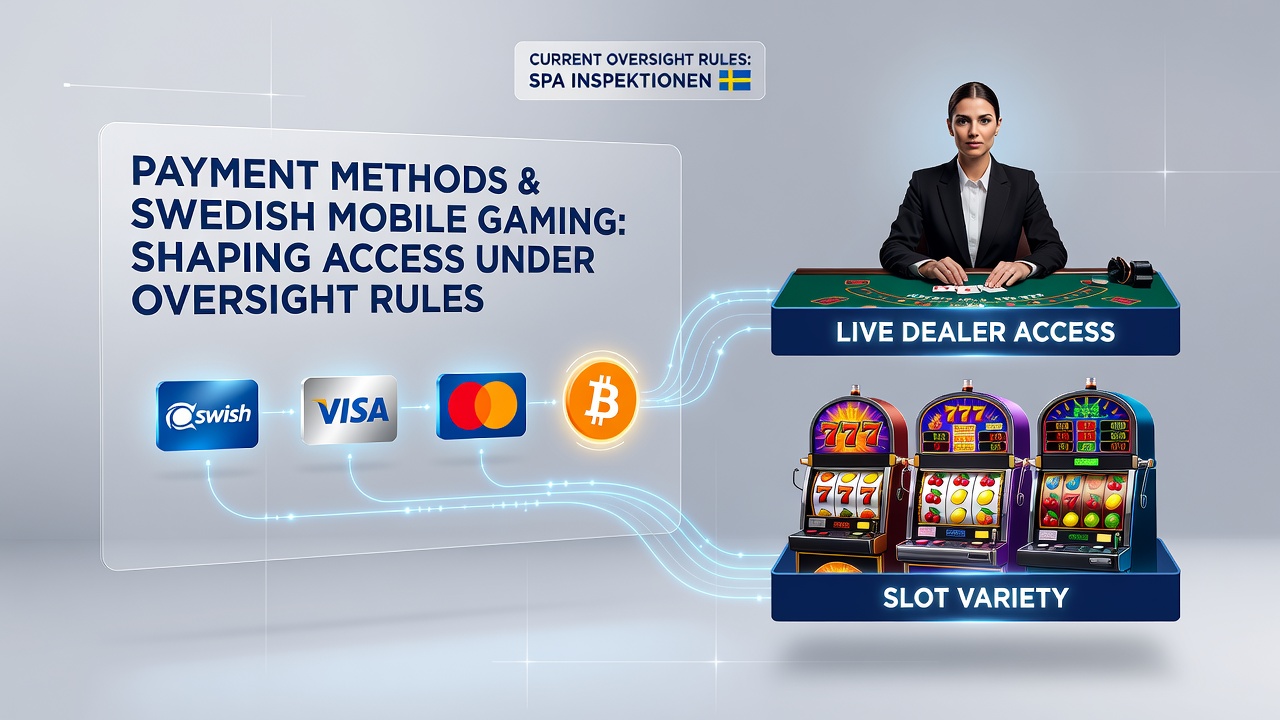
Payment Method Choices Shaping Live Dealer Access and Slot Variety on Swedish Mobile Platforms Under Current Oversight Rules
Swedish mobile platforms operate under strict licensing from the national gambling authority, where payment method selections directly determine which live dealer tables and slot libraries users can reach through approved applications. Operators must integrate transaction systems that comply with real-time verification standards, and this requirement filters the range of games available on smartphones and tablets. Data from industry reports shows that platforms relying on instant bank transfers maintain broader live dealer selections because those methods support immediate fund movements required for table game sessions.
Regulatory Framework and Payment Integration Standards
Current oversight rules require all licensed operators to use payment providers that enforce player identification at every deposit and withdrawal stage, and this setup influences mobile access patterns throughout 2026. Platforms that incorporate systems such as Swish or direct bank links report higher uptime for live dealer streams since transaction confirmations occur within seconds rather than hours. Research indicates that slower methods like certain card processors create delays that restrict entry to time-sensitive table games while leaving slot selections largely unaffected on the same devices.
Impact on Live Dealer Availability
Live dealer access depends on seamless fund transfers because sessions often involve continuous betting rounds that need uninterrupted account balances. Operators using compliant e-wallet solutions maintain consistent connections to multiple table providers, whereas platforms limited to traditional bank wires experience periodic restrictions during peak evening hours. Figures from regulatory filings reveal that November 2026 updates to transaction monitoring protocols further tightened these requirements, prompting several mobile sites to expand their supported payment lists to preserve full live dealer catalogs.
Slot Variety and Provider Partnerships
Slot libraries expand or contract based on the payment infrastructure because game suppliers tie licensing agreements to specific transaction networks that guarantee revenue tracking. Mobile applications featuring rapid payout options attract a wider array of themed slot titles from international developers since those providers prioritize markets with efficient settlement processes. Observers note that Swedish users encounter greater variety in progressive jackpot slots on platforms that prioritize instant methods, while sites dependent on batch-processed payments show narrower selections focused on lower-volatility titles.
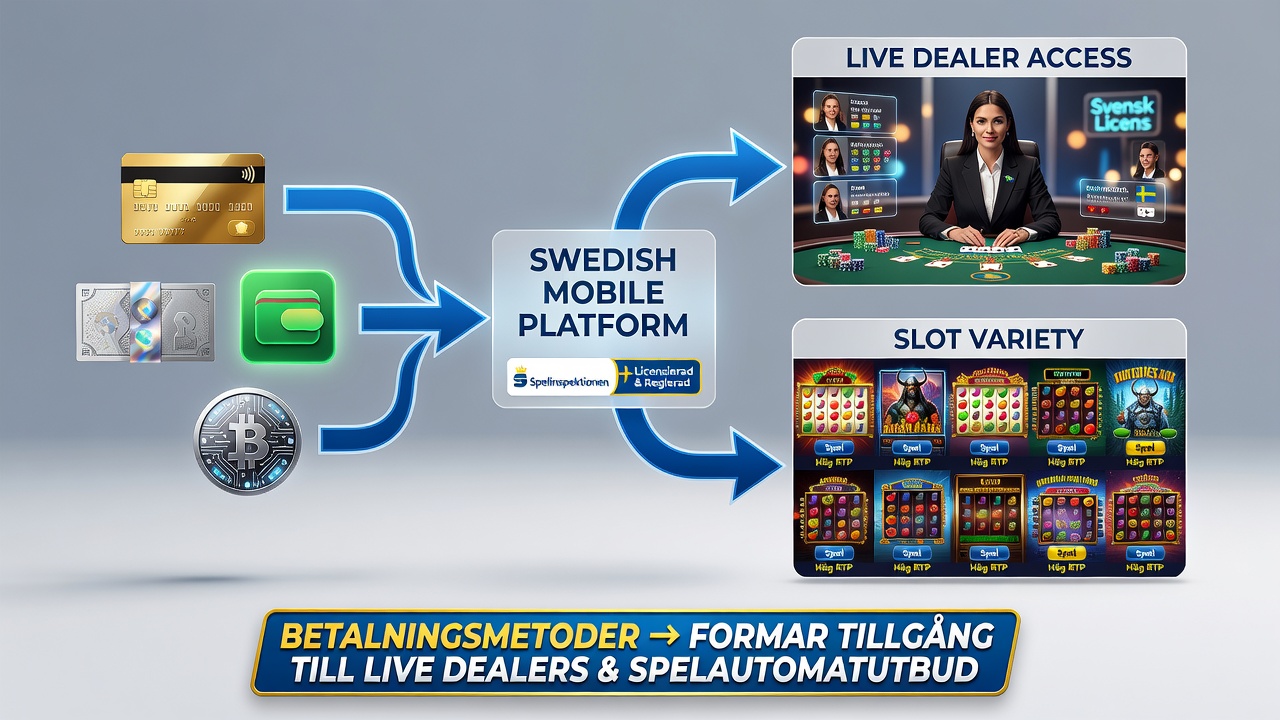
Payment choices also affect promotional mechanics tied to slot play, as bonus funds must clear through verified channels before users can access certain game clusters. Platforms that support multiple instant options report fuller integration with high-volatility titles because those games require flexible deposit limits aligned with regulatory caps.
Mobile Platform Adaptations in Practice
Developers adjust application interfaces to highlight payment methods that unlock specific game categories, creating navigation flows where users select transaction types before browsing live dealer or slot sections. Case examples from licensed operators demonstrate that adding new approved providers increases both live table counts and slot portfolios within weeks of implementation. Data shows consistent patterns where platforms with three or more compliant instant methods maintain 30 percent more active game titles than those relying on single options.
November 2026 brought additional emphasis on mobile security certifications for payment gateways, which indirectly shapes content availability since uncertified methods face temporary blocks. Those who've tracked these changes observe that operators respond by diversifying their financial partnerships to sustain competitive game libraries across Swedish app stores.
External Influences on Content Distribution
Industry organizations such as the European Gaming and Betting Association publish annual analyses that track how payment regulations correlate with game diversity metrics in regulated markets. Separate studies from academic research groups in Australia highlight parallel trends where transaction speed determines the feasibility of real-time interactive content on mobile devices. These findings align with Swedish oversight data showing that platforms prioritizing secure instant transfers achieve broader live dealer and slot coverage without violating licensing terms.
Conclusion
Payment method selections continue to function as gatekeepers for both live dealer access and slot variety on Swedish mobile platforms under existing rules. Licensed operators adapt their financial integrations to meet verification demands while expanding game offerings, and regulatory updates scheduled through late 2026 reinforce these connections. The resulting landscape shows clear linkages between transaction capabilities and the breadth of entertainment options available to users on mobile devices.